
 The summer between my junior and senior years in college, my parents gave me a trip to Europe. It was the era of Arthur Frommer’s Europe on $5 a Day, when the idea of backpacking across a continent still felt both romantic and possible.
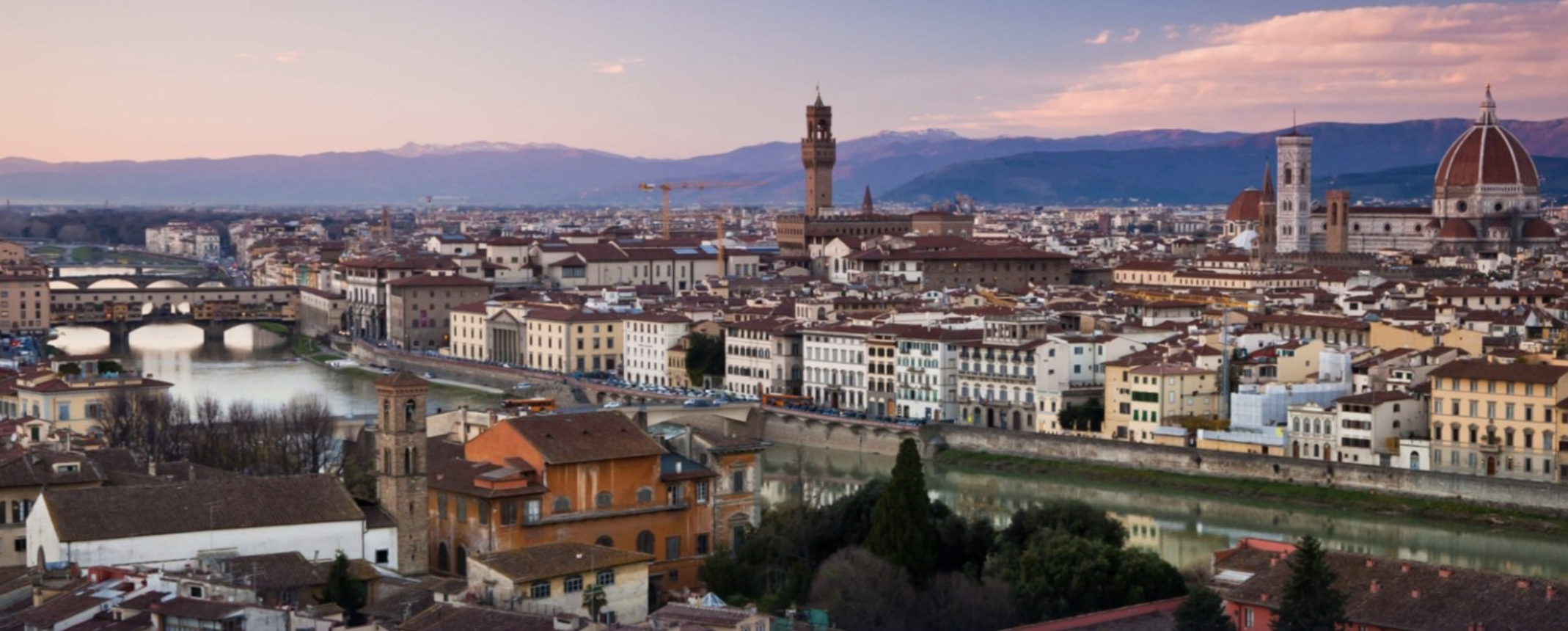
When my two girlfriends and I arrived in Florence, we made our way to the Piazzale Michelangelo, high above the city. I remember standing there, looking out over the terracotta rooftops, the bell towers, the golden ribbon of the Arno River.
I was completely captivated, and in that moment I knew I was home. I turned to my friends and said with surprising sincerity, “One day I’m going to live here.”
I didn’t question it. I simply recognized it.
Over the years, I’ve heard other versions of that same quiet certainty from different people in different places.
A friend deplaned in Ireland and said that she felt like she had returned to something she already knew.
Another arrived in Alaska and told me the air smelled like Christmas, like a memory she had always cherished.
Someone else traveled to Germany in search of ancestral roots and never left. “I arrived and stayed. I knew I belonged there,” she said simply, as if it were the most natural conclusion in the world.
These are not stories about tourism. They are stories about recognition.
Travel has a way of doing this. It places us in landscapes we have never lived in, yet we respond as if we are remembering them rather than discovering them. As if certain places are not new at all, but strangely familiar, like a word we had on the tip of our tongue and finally remembered.
Is home a place we come from, or can it also be something that, for reasons we cannot fully explain, comes alive in us?
Leave A Comment