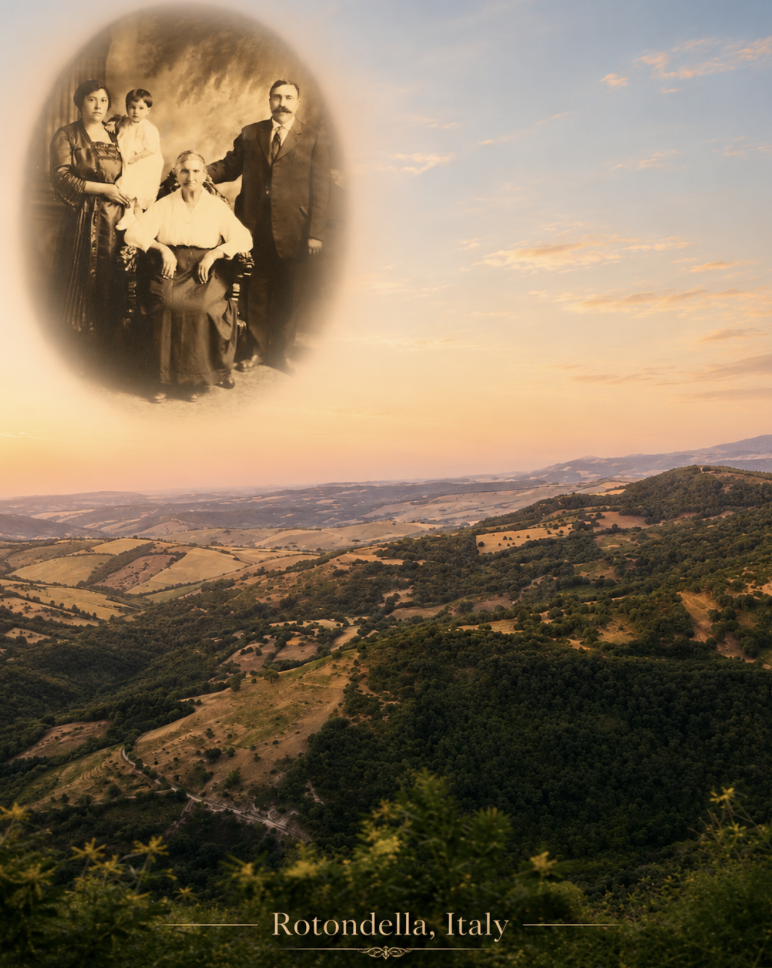
HE LOVED THAT WOMAN

by libbycataldi under Uncategorized

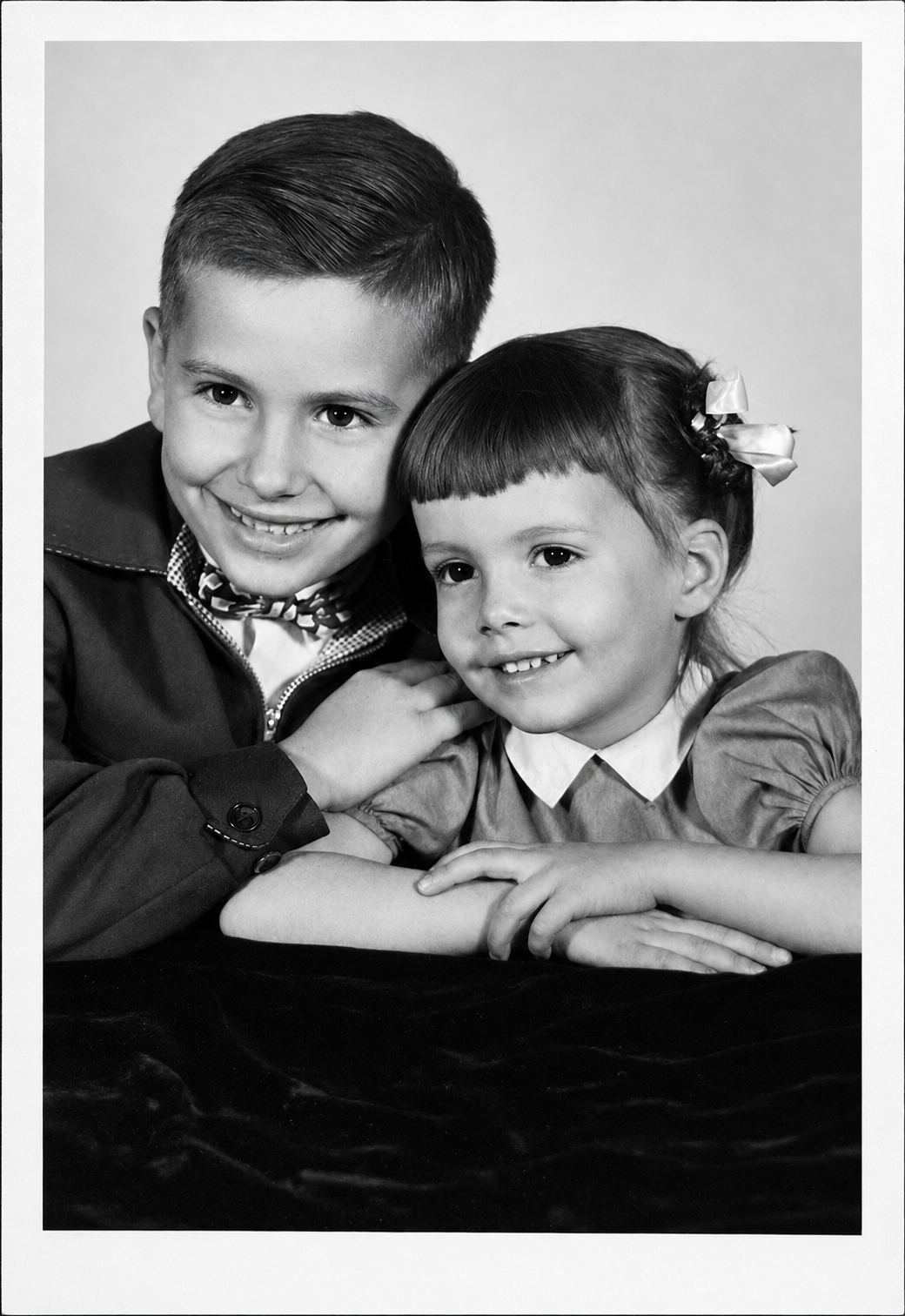
Now that our parents have passed, my older brother, JF, is the official holder of memories. Not only that, but he’s the first-born son and grandson. In the Italian tradition, it doesn’t get much more important than that.

He recently wrote, “I’ll be seeing Nana soon…I am 78 and in poor health…and that will be a treat for me. Loved that woman!”

I adore my brother, so I wanted to share something he wrote last week in response to my blog entry:

“When I feel blocked or boxed in, in the grand tradition of Italians everywhere, I complain. Just let it out. And figure tomorrow will be better. And if it isn’t, then the next day. Take your wins when you can, because the losses will find you.

But getting back to Italians…my people…I would never want to be of any other nationality of origin…my sainted Nana (that’s what I called her…my sister uses the more proper Nonna in her book) never had a good day. When I would see her I would always ask, ‘How you feelin’ today, Nana?’ And the answer would always be (read it with a nice Italian accent), ‘Oh, no good, no good. Me no feel good.’ Meanwhile this old Italian lady, who grew up HARD, and never felt good, could outwork me 15 days a week and 55 days a month.

I suppose if you say you feel great you’re inviting the Evil Eye, and Nana was the designated neighborhood remover of the Evil Eye. But what a woman! She was the best.

I remember the first time I ever cried out of sadness—not pain, but sadness. I was maybe five years old, lying in bed, ready to fall asleep, when for some reason I pictured Nana dying. It made me cry like hell.”

Reading that, I realized something: Sometimes, if you’re lucky, someone loves you so much it hurts. The kind of love that fills you up and keeps you safe, even years later.

He loved that woman.

She was Nonna

TODAY ISN’T A GOOD DAY

by libbycataldi under Uncategorized

Some days are just like that, right? Things go sideways, don’t work out, and you feel stuck.

Today is one of those days for me. Everything I tried seemed blocked: I exercised, and my knee hurt; I tried to sync my Spotify account to another account and couldn’t figure it out; I wanted to cook something special but was missing one ingredient, and I was late for my first appointment. Small things, really, but somehow they piled up, and I felt anxious.

I meditate every day, and I’d already meditated this morning. I hoped it would help, but it barely did. Psychologists say that when frustration hits, the first step is to calm your body. So I breathed. I felt a tad better, but not much.

Writing is my go-to, so here I am, writing to you, my friends. On days like this, even knowing it’s normal doesn’t make it easier. What do you do when you feel blocked and boxed in?


I wish you all a good day. I wish you a day without frustration. But if you find yourself feeling lousy, anxious, or “less than enough,” I join you there.

In truth, we’re never completely alone. All these feelings are part of being human. They pass, and eventually we find our equilibrium again.

Love to you all.

More Than Tourism: The Power of Finding Your Roots

by libbycataldi under Uncategorized

My granddaughter in front of my grandmother’s home in Rotondella

A friend wrote to me after reading last week’s post: “When I was twenty, I first visited my grandparents’ village of Saint Ippolito outside Cosenza in Calabria. I was fortunate to go from house to house meeting families throughout the town. Since then, I’ve returned a half dozen times, trying to understand my heritage and how it continues to shape our lives.

That first journey helped me understand the significance of place and the incredible reservoir of knowledge and history that has made my life so much richer.

I wish I could transmit my enthusiasm and deep gratitude. I encourage anyone who wants to discover their roots to go. Take the deep dive—it’s so worth it. For me, nothing compares to the warmth and personal connection of time in my ancestral village.”

My reflection: When I read his words, I felt his enthusiasm and gratitude because I felt the same thing when I discovered Rotondella.

Today’s thought: In 2024, more than eight million Americans traveled to Italy. But for those who want to understand their past, the deepest connections happen in the small towns and villages where their families once lived. Stories heard around the dinner table begin to take on new life.

For Americans whose families came from Ireland, Scotland, Germany, Poland, or countless other places, the same opportunity exists: to walk the streets their ancestors once walked and to see the landscapes that shaped their lives.

Millions of Americans travel abroad every year. But a journey to the town or village your family once called home can become something more than tourism.

It can become a return – a return to a place, a story, and perhaps even a deeper understanding of yourself and your family.

Where might your own ancestral road lead if you chose to follow it?

CAN THE LAND OF OUR ANCESTORS HEAL US?

by libbycataldi under Uncategorized

Read the review HERE

I was honored to see my memoir, It Takes a Lifetime to Learn How to Live: An Italian-American Story of Coming Home, recently reviewed in the March issue of The Florentine, an English-language publication based in Florence, Italy.

The author, Alexandra Lawrence, asks the question that sits at the heart of the book: Can the land of our ancestors heal us?

In 2000, when my life was collapsing, I set off alone to Italy to find my grandparents’ ancestral village of Rotondella. There I found the open arms of family, but I also uncovered the lingering shadows of the malocchioomertà, rigid Catholicism, abject poverty, arranged marriage, patriarchal control, and the Mafia.

Slowly, I began to understand how these forces shaped not only my grandmother’s life, but also my mother’s – and my own. By honoring the courage of the women who came before me, I found the grace to make peace with my mother. And in that understanding, I found peace within myself.

I began writing this story in the summer of 2000. When my mother heard about the project, she was not happy.

“You can write about your grandmother, Missy,” she said. “But you can’t write about me. No one needs to know about my life—not even you.”

Since she was the critical link between my grandmother and me, I set the writing aside.
Twelve years later – just five days before she died – she showed incredible courage and vulnerability. My feisty mom, despite all the fraught and difficult moments we had lived through, said,

“My life would make a good book, wouldn’t it?”
“But you told me I wasn’t allowed to write about you,” I countered.
She paused, then said simply:
“After I die, write.”

And with her permission, I did.

So, to answer Alexandra’s question, returning to the land of my ancestors did help to heal me. And for that, I’ll be eternally grateful.

WHAT IS A LOVE STORY?

by libbycataldi under Uncategorized

With my Nonna, long before I knew about love stories

Romantic love may be the love we notice first and the love we talk about first, but it’s not always the love that shapes us or touches us most deeply. For me, It Takes a Lifetime to Learn How to Live: An Italian-American Story of Coming Home is a love story.

It is the love story of a child and her nonna in the kitchen, where love simmered slowly in pots of tomato sauce, filling the house with a sense of peace. It is the love story of a mother and daughter learning, over time, to understand one another, to accept each other, and to find peace together. Not perfectly, but enough. Most of all, it is a love story about coming home – not just to a place, but to self.

The truest love stories might not be about romance at all. They might be about learning how to open your heart to others, to your past, and sometimes to your own imperfect self.

Maybe a love story is simply the story of coming home.

And maybe it takes a lifetime to understand that love was there all along.


“WE LEARN HOW TO LIVE BY WATCHING THE WAY YOU LIVE”

by libbycataldi under Uncategorized

My younger son once said to me, “You don’t have to tell us what you think. We already know.”

Curious (and slightly defensive), I turned to my older son. “Is that true?”

His response was clear. “Yes. After all these years, we already know what you think and how you’ll respond. Now we learn how to live by watching the way you live.”

That moment changed me.

I suddenly felt the full weight of my actions. My sons weren’t moved by my lectures, reminders, or sage advice. They were learning from my reactions. My actions. My tone. My patience. My choices. By watching the way I lived – and I’m sure the same was true of their father – they were absorbing what to do… and what not to do.

I remember thinking, when I was young, that I would never say the things my mother said to me. I would never lose my temper the way she did. I would do better. That was a deliberate choice. But I wasn’t always successful. There were moments when I heard her words come out of my mouth before I could stop them, and instantly I wanted to grab them back. I wanted to pull them out of the air and swallow them whole. Too late.

Over time, I learned something even more important: how to apologize. I learned to say, “I was wrong. I’m sorry.” I learned to admit when my frustration spilled over. That, too, was something worth modeling.

The tapes of our youth play in our minds. We can’t erase them. The voices, the reactions, the patterns are imprinted in our brains. But we can become aware of them. We can pause. We can choose differently. We can lower our voices. We can soften our responses. We can try again. Every generation carries forward both wounds and wisdom.

Our children are always watching. And whether we intend to or not, by our actions and reactions, we are teaching them how to live.

FOOD IS A LOVE LANGUAGE

by libbycataldi under Uncategorized

The opening lines of IT TAKES A LIFETIME read:

Comfortable as a priest before the altar, Carmela stands at her stove.

Her right arm moves in familiar circles as she stirs rich red sugo with

a wooden spoon—the spoon that never hits me. While she cooks, she

moves her lips slowly in prayer. The scent of her heavenly tomato-

and-garlic sauce quiets me, fills me with peace.


Food was Nonna’s love language.

When I ran to her house with the heavy heart of a child, she didn’t ask questions. She cooked. Linguini with ricotta. Crispelle dusted in sugar. Spaghetti topped with mudika. Falahoni and fresh baked bread. “Mangia, mangia,” she would say, urging me to eat, to take in comfort the best way she knew how to give it.

Her kitchen was her sanctuary. The stove, her altar. The scent of tomato and garlic quieted my fears long before I could name them. I didn’t know then that she was wrapping me in love.

In my own kitchen, I am not the cook she was, but when the aroma of chicken and peppers fill the air, my sons know they are home before they even open the door. Chicken pastina soup simmers on the stove when they are ill. Meatballs, bracciole, stuffed shells, orecchiette remind them of who they are and where they come from.

I understand now what Nonna was teaching me without words: sometimes love is not spoken. Sometimes it is stirred slowly in a pot and served at the table.

Food is more than nourishment. It is memory. It is heritage. It is love made visible.

WHERE IS HOME?

by libbycataldi under Uncategorized

This past weekend, I visited my family in Pittsburgh. My older brother, now the paternal figure in our family since Mom and Dad passed, said, “My mother was more uncomfortable being alive than anyone I’ve ever met.” His words hit me so hard that my eyes swelled with tears.

I thought about the time Mom wrote in her journal, “The demons are back.” She suffered, and my brother was right – she was uncomfortable being alive. Yet at the end of her life, she had the courage to share the traumas she’d endured. She wanted me to understand her and to understand how she reared me. “You don’t know your mother, the real me,” she said. “You need to know me before I die.”

My family home – home, that universal word that stands for stability and comfort – was often chaotic and uncomfortable. That’s why I ran to Nonna’s house to find comfort and stability. So where was my home?

Ray Haas, a dear friend, once told me, “Home is wherever Katherine is.” My son recently said, “Home is wherever my daughters are.” For them, home is not a place; it’s the people who make them feel safe and known. I understand that feeling. Home was where Nonna was. And when Nonna passed, I searched for her home in Italy because Rotondella carried her presence; touching it was like touching her and feeling her safety.

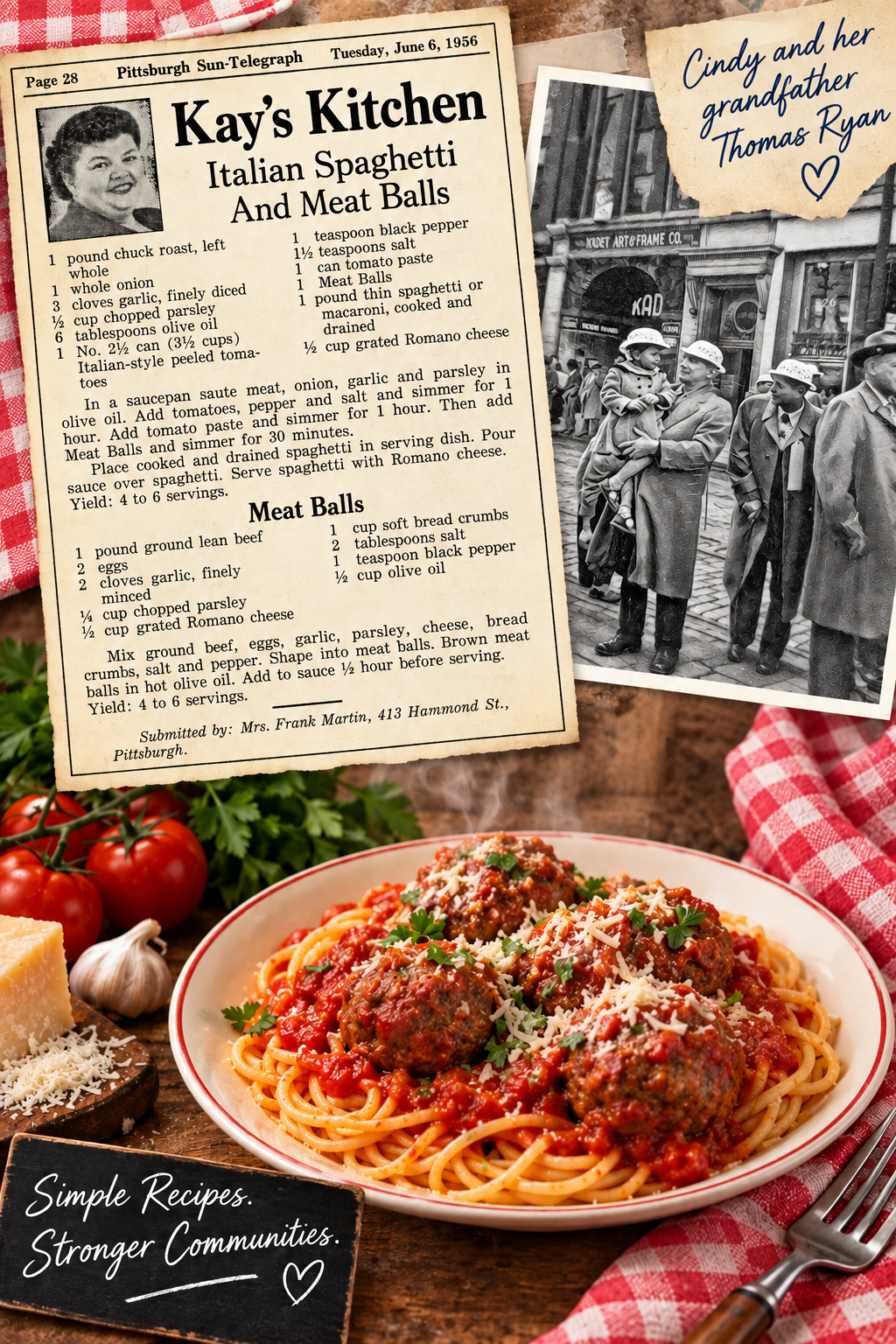
Even in my unstable family home, though, I knew I was home. There were good times too – a smile, a ritual like spaghetti and meatballs on Sunday, the smell of tomato sauce cooking, or a moment of comfort from Mom and Dad when I didn’t get the lead in the high school play. Those memories are tiny anchors, seeds of home that linger in memory.

Home, then, isn’t always a place. Sometimes it’s a person, sometimes a memory, sometimes ourselves. It moves, it shifts, but it exists whenever we feel it.

And when it does, we know it immediately.

THE POWER OF LISTENING

by libbycataldi under Uncategorized

When my mother began telling me her stories, I stayed quiet and, with her permission, took notes in my journal. The longer I didn’t interrupt, didn’t clarify, didn’t rush her toward a point, the more she talked. Details surfaced that I had never heard before – names, places, hurts she had carried without sharing for ninety years. In that silence, something eased between us. We didn’t fix the past, but we found a kind of peace we had been missing for years.

This past weekend, I spent time with my sons. We were together without distractions, and they began telling stories from their childhood. Most I had heard before, and we laughed together, but some were different. As they spoke, I felt the familiar pull to explain myself, to offer context, to soften what I was hearing. I wanted to jump in, to correct, to defend my actions.

Instead, I listened.

I heard how certain moments had landed for them, how choices I didn’t remember had mattered deeply. I heard where I had failed to show up in the ways they needed. I stayed present and kept my heart open. We reached a deeper level of understanding – one built not on answers, but on presence.

Listening like that looks deceptively simple. It isn’t. It requires restraint, humility, and a willingness to sit with discomfort. But when we listen without judgment or agenda, we offer something rare: a place where another person can speak freely and be met as they are.

I’m still learning. But I understand this much – listening, real listening, has the power to heal.

SHOWING UP AND BEING PRESENT

by libbycataldi under Uncategorized

It Takes a Lifetime to Learn How to Live is, in some respects, a love story about family and forgiveness. It tells the story of traveling to my family’s ancestral village in Italy to understand, first-hand, what my heritage looked like and felt like.

This book is not about researching the village on social media or following a trail on Ancestry (although I did that, too). What mattered was being there: talking with villagers, tasting the food, walking the same streets as my grandparents. That physical presence led me to understand, in a deep and personal way, the challenges they faced when they left their home and all they knew to begin again somewhere else.

Social media plays an important role in sharing this book with a wider audience. But a live presentation takes the story where it can be best heard and appreciated in person. Gathering together conveys the intimacy it deserves.

This is a deeply human tale of why understanding my heritage mattered to me – and, perhaps, why your heritage matters to you, too. That idea lives best in conversation, in a shared moment when we are all participating and present. When voice matters. When the nuances of language dance and play. When the room gets quiet, slower, more generous.

This isn’t about rejecting online spaces. It’s about showing up for people who want to know more. It’s about seeing one another.

I would love to see you and be with you on March 5 in Calvert County, Maryland, a community where important parts of this journey took place.

Go to Top